Reviewed by Dr. Epstein
|
Reading time: four minutes
Dental implants have a high long-term success rate but still depend on healthy gums and bone for stability. Like natural teeth, implants can develop inflammation and infection if bacteria accumulate around them. One of the more common late complications is peri-implantitis.
We offer dental implants at our offices in Seattle and Shoreline
Table of Contents
What Is Peri-Implantitis?
Peri-implantitis is an inflammatory condition that affects the gums and supporting bone around a dental implant. It develops when bacteria accumulate around the implant, leading to infection and progressive bone loss. Without treatment, the implant may eventually become loose or fail.
An earlier stage of this process, called peri-implant mucositis, affects only the gum tissue surrounding the implant. Because bone loss has not yet occurred, it is often reversible with professional care and improved oral hygiene. Early diagnosis is one of the best ways to prevent peri-implantitis from developing.
Signs of Peri-Implantitis
Peri-implantitis often develops gradually, and early symptoms may be easy to overlook. Many symptoms resemble gum disease around natural teeth, which is why regular dental examinations remain important even after successful implant treatment.
Contact your dental professional if you notice any of the following around a dental implant:
- Bleeding when brushing or flossing
- Red, swollen, or tender gums
- Persistent bad breath or an unpleasant taste
- Pus around the implant
- Gum recession that exposes more of the implant
- Bone loss visible on X-rays
- A loose implant in more advanced cases
Peri-Implantitis Treatment
Treatment depends on the extent of inflammation and bone loss. The earlier the condition is diagnosed, the more treatment options may be available to preserve the implant.
Treatment may include:
- Professional cleaning around the implant to remove bacterial deposits
- Improved home care techniques to reduce plaque buildup
- Antimicrobial medications when appropriate
- Surgical treatment to access and clean the implant surface
- Bone grafting in select cases to restore lost bone support
If severe bone loss has compromised the implant’s stability, dental implant removal may be the most predictable treatment.
How To Reduce Your Risk of Peri-Implantitis
Dental implants do not develop cavities, but the surrounding gums and bone still require lifelong care. Good daily care and routine maintenance greatly reduce the risk of peri-implantitis.
To keep your implants healthy:
- Brush and floss every day using the techniques recommended by your dental team
- Attend regular dental exams and professional cleanings
- Avoid smoking and other tobacco products
- Keep medical conditions such as diabetes well controlled
- Have any bleeding, swelling, or discomfort evaluated promptly
Long-Term Dental Implant Care
Protecting dental implants begins long before problems develop. At Green Lake Oral & Facial Surgery and JAWNT Oral Surgery, implant care is approached with a focus on precision, long-term success, and preservation of healthy bone.
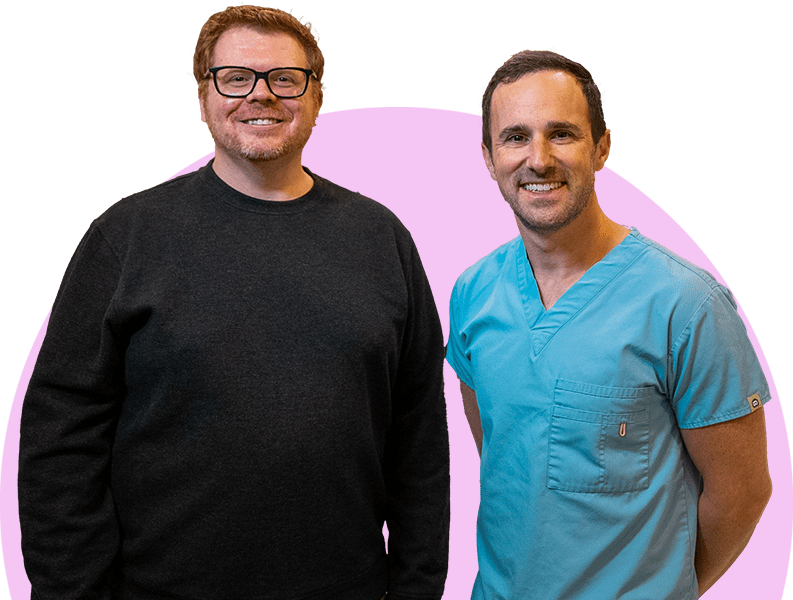
Dr. Matthew Epstein and Dr. Tommy Kim use advanced CBCT imaging and comprehensive evaluation to assess implant position, bone support, and surrounding structures. Care is centered on clear communication and individualized treatment planning, with recommendations tailored to each patient’s specific needs.
When peri-implantitis is diagnosed, treatment focuses on preserving bone, controlling infection, and supporting long-term implant success.
Oral Surgeon in Seattle & Shoreline, WA
If you notice bleeding, swelling, or discomfort around a dental implant, prompt evaluation may help preserve the implant and prevent additional bone loss.
To book an appointment at Green Lake Oral & Facial Surgery in Seattle, WA, call (206) 641-7212. To book at JAWNT Oral Surgery in Shoreline, WA, call (206) 848-5788.
FAQ
Can peri-implantitis be reversed?
Peri-implant mucositis, the earliest stage of inflammation around a dental implant, can often be reversed with professional treatment and improved oral hygiene. Once bone loss occurs and peri-implantitis develops, treatment is needed to stop the disease from progressing.
What does peri-implantitis look like?
Peri-implantitis may appear as red, swollen, or tender gums around a dental implant. You might notice bleeding when brushing or flossing, pus around the implant, gum recession that exposes more of the implant, or persistent bad breath. In more advanced cases, bone loss may be visible on X-rays, and the implant may begin to feel loose.
How are peri-implant mucositis and peri-implantitis treated?
Treatment depends on the extent of inflammation and bone loss. A periodontist can provide nonsurgical care to clean around the implant and control infection. If peri-implantitis has caused bone loss that requires grafting, our oral surgeons can rebuild the bone around the implant when appropriate.