Reviewed by Dr. Epstein
|
Reading time: four minutes
Dental implants are designed to be a long-term solution, and most remain successful for many years. Although they are intended to be permanent, dental implants can be removed when necessary. Understanding when implant removal is recommended can help patients make informed decisions about their oral health and treatment options.
We offer dental implants at our offices in Seattle and Shoreline
Table of Contents
Reasons for Dental Implant Removal
Dental implant removal is uncommon, but it may be recommended when an implant can no longer function predictably or support long-term oral health.
Implant Failure
Implant failure can occur early or late. Early implant failure typically develops before or shortly after the implant integrates with the bone. It can be associated with inadequate bone support, infection, smoking, certain medical conditions, or healing complications.
Late implant failure occurs after an implant has functioned successfully for a period of time. Common causes include peri-implantitis, progressive bone loss, excessive bite forces, or mechanical complications affecting the implant and surrounding structures.
Infection and Bone Loss
Peri-implantitis is an infection that affects the gum tissue and bone surrounding a dental implant. When left untreated, peri-implantitis can lead to progressive bone loss and compromise the stability of the implant. Depending on the severity of the condition, removal may be the most predictable treatment option.
Mechanical Damage
Most mechanical complications involve the crown, abutment, or other restorative components rather than the implant itself. In rare situations where the implant is damaged and cannot be predictably restored, removal may be considered.
Poor Implant Placement
In some cases, an implant may be positioned in a way that affects function, aesthetics, or the ability to achieve a proper bite. When this occurs, removal and replacement may be recommended, which can be performed without bone loss using high reverse torque specialty wrenches by Dr. Epstein and Dr. Kim. Depending on the condition of the surrounding bone, a new implant may be placed immediately or after bone grafting and a period of healing.
How to Reduce the Risk of Dental Implant Failure
Dental implants have a high long-term success rate, but their success depends on several factors.
Choose a Skilled Oral Surgeon
The long-term success of a dental implant begins with proper treatment planning and surgical placement. Advanced imaging, careful evaluation of the jawbone, and precise implant positioning all play an important role in reducing the risk of future complications. Choosing an experienced oral surgeon can help improve predictability and support long-term implant health.
Maintain Good Oral Hygiene
Plaque and bacteria can accumulate around dental implants just as they can around natural teeth. Brushing twice daily, flossing, and using any recommended cleaning aids can help keep the gums healthy and reduce the risk of peri-implantitis, a leading cause of late implant failure.
Attend Regular Dental Visits
Routine dental exams and professional cleanings allow your dental team to monitor the health of your implant, surrounding gums, and supporting bone. Early signs of inflammation, infection, or bone loss can often be identified before they lead to more serious complications.
Avoid Tobacco Products
Smoking and other tobacco use can interfere with healing, reduce blood flow to the gums, and increase the risk of implant complications. Patients who smoke generally experience higher rates of implant failure compared to non-smokers.
Address Problems Early
Dental implant complications often develop gradually. Pain, swelling, bleeding around the implant, gum recession, or a loose feeling should never be ignored. Prompt evaluation can help identify the cause of the problem and may improve the available treatment options while helping preserve surrounding bone and soft tissue.
Expert Care for Dental Implants
At Green Lake Oral & Facial Surgery and JAWNT Oral Surgery, dental implant treatment is approached with a strong focus on precision, long-term success, and preservation of healthy bone.
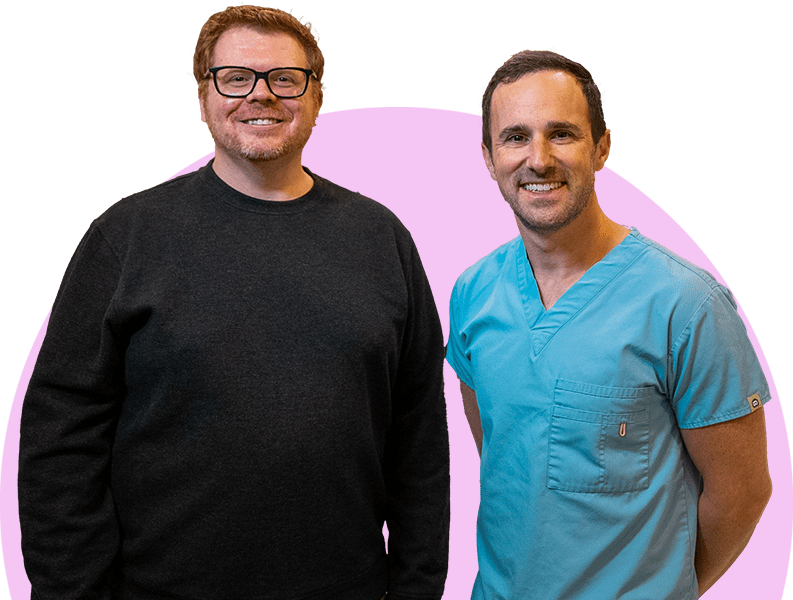
Dr. Matthew Epstein and Dr. Tommy Kim use advanced 3D CBCT imaging and digital surgical planning to evaluate implant position, bone support, and surrounding anatomy before recommending treatment.
Care is centered on clear communication and individualized treatment planning. Following a thorough evaluation, patients receive personalized recommendations based on the condition of the implant, surrounding bone, and soft tissues. Follow-up care is tailored to support healing and long-term oral health.
Oral Surgeon in Seattle & Shoreline, WA
If you have a loose dental implant, discomfort around an implant, or concerns about a previous implant procedure, we can help. Early assessment can often prevent more extensive treatment and help preserve surrounding bone.
To book an appointment at Green Lake Oral & Facial Surgery in Seattle, WA, call (206) 641-7212. To book at JAWNT Oral Surgery in Shoreline, WA, call (206) 848-5788.
FAQ
Can a dental implant be removed and replaced?
Many patients are candidates for a replacement implant after removal. The timing depends on the amount of remaining bone and whether grafting is needed. We use a highly specialized technique that is not commonly used to remove implants without causing bone loss.
How long does healing take after dental implant removal?
Healing time varies depending on the amount of bone involved and whether grafting is performed. Your surgeon will provide a timeline based on your specific situation.
Can a failing dental implant be saved?
Not every implant complication requires removal. In some cases, treatment can address the underlying problem and help preserve the implant. The sooner a concern is evaluated, the more treatment options may be available.