How Botox Relieves TMJ Pain and Facial Muscle Tension
Botox is commonly used to treat several types of muscle driven facial pain. When jaw muscles become overactive, they can create pressure that leads to temporomandibular joint (TMJ) discomfort, headaches, and facial soreness.
By reducing excessive muscle activity, Botox helps relax these areas while preserving normal movement. This allows patients to chew, speak, and function normally while reducing strain on the jaw and surrounding structures.
Depending on where muscle tension occurs, Botox may be used to help with:
- TMJ disorders related jaw pain and tightness
- Teeth grinding and clenching (bruxism)
- Tension headaches linked to jaw muscles
- Certain migraines triggered by facial muscle activity
- Facial pain involving the cheeks, temples, or jaw
Each treatment is tailored to the specific muscles contributing to your symptoms, which is why Botox can be effective for multiple types of facial pain.
How Botox Relieves TMJ Pain and Jaw Tension
Botox, also known as botulinum toxin, is a neuromodulator that temporarily reduces muscle activity. When injected into targeted jaw muscles, it limits excessive contraction without affecting normal movement.
This allows the muscles to relax while still supporting everyday functions like chewing and speaking.
By reducing overactivity in the masseter muscles, this approach can:
- Decrease pressure on the TMJ
- Reduce inflammation caused by constant clenching
- Minimize grinding forces that wear down teeth
This targeted approach helps reduce TMJ related discomfort by addressing the muscle activity contributing to pain and tension.
Botox for Migraines and Headache Relief
Jaw tension does not always stay localized. In many cases, overactive muscles contribute to tension headaches and certain migraines.
Botox injections for migraines may help by:
- Reducing muscle-driven pressure in the jaw, temples, and face
- Lowering the frequency of tension-related headaches
- Improving overall comfort in patients who clench or grind their teeth
This approach is especially helpful when headaches are linked to muscle activity rather than other neurological causes.
Our Approach to Treatment
Treating TMJ-related muscle pain requires precision. The goal is not to weaken the jaw, but to rebalance muscle activity in a controlled and predictable way.
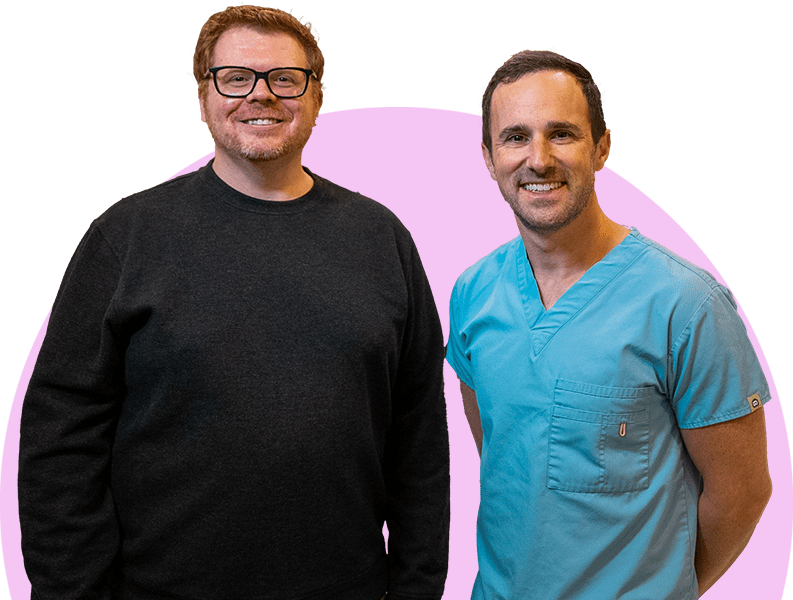
- Specialized Expertise: Treatment is performed by our oral and maxillofacial surgeons, Dr. Epstein and Dr. Kim. They have advanced training in facial anatomy, allowing for precise placement and controlled dosing.
- Targeted Muscle Mapping: Each plan is based on how your muscles function, not just where symptoms appear.
- Balanced, Natural Results: Injections are placed to reduce overactivity while preserving normal movement and facial expression.
- Comfort-Focused Technique: Appointments are efficient and designed to minimize discomfort, swelling, and downtime.
Learn more about how Botox is used in facial aesthetics.
What to Expect From Treatment
Treatment is straightforward and designed to be comfortable at every step.
Consultation
Your visit begins with a discussion of symptoms such as facial pain, clenching habits, or headaches. Muscle activity and jaw function are evaluated to determine if this treatment is appropriate.
Treatment
Injections are placed into targeted muscles, commonly the masseter and surrounding areas. The process is quick and typically completed in under 5 minutes.
Recovery
You can return to normal activity right away. Mild soreness or swelling may occur but usually resolves within a short period.
Results
Relief develops gradually over several days as muscle activity decreases and peaks around week 2. Results typically last several months, and in many cases, effects can extend beyond six months depending on the product used.
Treatment Is Tailored to How Your Muscles Respond
Not every patient responds to muscle activity the same way. The type of neuromodulator used can be adjusted based on how strong the muscles are, how long you want results to last, and how your symptoms present.
In addition to Botox, other options may be considered:
- Dysport: Often used when broader muscle coverage is needed, as it spreads more evenly across larger areas of tension
- Daxxify: A longer-lasting option that may provide extended relief, often six months or more
Each option works in a similar way, with treatment tailored to your needs.
A Non-Surgical Option That Supports Long-Term Comfort
For patients dealing with ongoing clenching, grinding, facial pain, or headaches, this treatment offers a way to reduce symptoms without surgery or downtime.
By addressing the underlying muscle activity, it can:
- Help prevent further wear on teeth
- Improve daily comfort
- Reduce strain on the jaw joints
- Support long-term oral health
We’re Here to Support You
We welcome referrals, second opinions, and patients who want care from experienced surgeons who combine precision with compassion.
Our practice is in network with Delta Dental, Cigna, Premera, Regence, Aetna, GEHA, and LifeWise. For other dental insurance plans, we are happy to submit claims on your behalf and help you receive the maximum reimbursement available.
We also offer convenient financing options through CareCredit, Cherry, and Proceed Finance to make treatment as accessible as possible. Our administrative team is here to make every step of the process clear, smooth, and stress free.
FAQs
Does insurance ever cover Botox for TMJ?
Insurance coverage varies depending on the reason for treatment and your specific plan. In some cases, coverage may be considered when injections are used to address a medical concern, However, many plans classify this treatment as elective.
How long does Botox for TMJ last?
Results typically last three to four months. Some patients experience relief for up to six months, depending on muscle strength, treatment area, and how your body responds. With repeated treatments, some patients notice longer lasting results as muscle activity gradually decreases.
What are the potential side effects of Botox for TMJ?
This treatment is generally well tolerated. Mild soreness, swelling, or bruising at the injection sites may occur and usually resolve within a few days. Some patients may notice temporary jaw fatigue or mild changes in chewing strength. These effects are typically temporary and improve as the muscles adjust.
What are the alternatives to Botox for TMJ?
Alternatives depend on the cause of your symptoms and the severity of muscle activity. In some cases, treatment may involve oral appliances, physical therapy, medications to reduce inflammation, or other conservative approaches.
Does masseter Botox change facial appearance?
In some cases, relaxing the masseter muscles may soften a square jawline. The primary goal, however, is relief from tension and pain.
Where can I get Botox for TMJ and migraines near me?
Treatment is available at Green Lake Oral & Facial Surgery in Seattle and JAWNT Oral Surgery in Shoreline, performed by experienced oral and facial surgeons.