Reviewed by Dr. Epstein
|
Reading time: three minutes
Dental implants are a popular choice for tooth replacement because they are designed to function like natural teeth and have a high success rate. However, many patients wonder whether their body can reject an implant and what warning signs may indicate a problem.
We offer dental implants at our offices in Seattle and Shoreline
Table of Contents
Dental Implant Rejection vs. Implant Failure
True dental implant rejection is not possible. What patients often describe as implant rejection is usually implant failure. This occurs when the implant does not successfully fuse with the bone during healing or loses support after it has been placed.
Successful implant treatment depends on a process called osseointegration, where the jawbone grows around the implant and creates a stable foundation for the replacement tooth. If this process is interrupted, complications can occur.
Signs of Dental Implant Rejection
While true rejection is uncommon, certain symptoms may indicate that an implant is not healing properly or has developed complications:
- Persistent pain: Some soreness is expected after implant surgery. Pain that continues beyond the normal healing period or worsens over time should be evaluated usually related to an inflammatory response.
- A loose implant: A dental implant should feel stable and secure. Any movement or looseness may indicate that the implant has not integrated properly with the bone.
- Swollen or inflamed gums: Redness, swelling, or tenderness around the implant site can be a sign of irritation or infection.
- Difficulty chewing: Pain or discomfort when biting down may suggest problems with the implant, surrounding bone, or restoration.
- Gum recession or bone loss: Gums that begin pulling away from the implant can expose more of the implant surface and may indicate underlying bone loss. Regular follow-up visits and imaging help detect these changes early.
- Signs of infection: Pus, drainage, persistent bad breath, or a bad taste in the mouth should be evaluated promptly.
What Causes Dental Implant Failure?
Several factors can increase the risk of implant complications:
- Peri-implantitis, an infection affecting the tissues around the implant
- Smoking or nicotine use
- Insufficient bone support
- Teeth grinding or clenching
- Poor oral hygiene
- Medical conditions that affect healing including poorly controlled diabetes
- Failure of osseointegration during the healing process
Can a Failed Dental Implant Be Replaced?
If an implant fails, it can often be removed and replaced after the area has healed. Some patients may require bone grafting or other preparatory procedures before a new implant is placed. The best treatment approach depends on the cause of the failure, the condition of the surrounding bone, and your overall oral health.
Advanced Dental Implant Planning and Long-Term Success
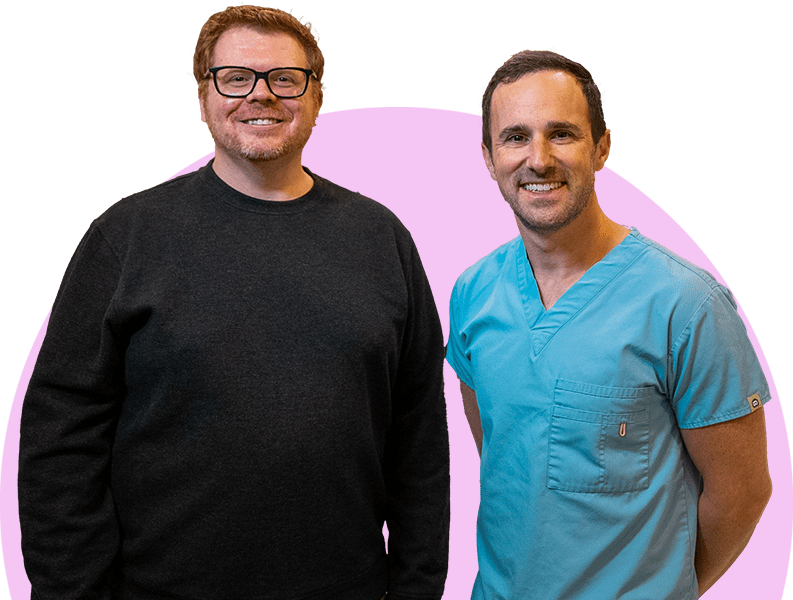
Most implant complications can be traced back to issues with planning, healing, or long-term maintenance. At Green Lake Oral & Facial Surgery and JAWNT Oral Surgery, Dr. Matthew Epstein and Dr. Tommy Kim place a strong emphasis on preventing those problems before treatment begins.
We use advanced technology, including 3D CBCT imaging, dynamic navigation, and digital surgical planning, to evaluate bone quality, anatomy, and implant position before treatment beginsThis technology-driven approach helps improve precision, support long-term stability, and reduce the risk of complications.
Combined with high-quality implant systems and extensive experience in implant surgery, this level of planning allows our surgeons to deliver predictable results while preserving healthy bone and supporting long-term oral health.
Oral Surgeon in Seattle & Shoreline, WA
While true dental implant rejection is rare, implant complications can occur when healing is disrupted or infection develops. Early evaluation can help protect the implant and preserve surrounding bone.
To book an appointment at Green Lake Oral & Facial Surgery in Seattle, WA, call (206) 641-7212. To book at JAWNT Oral Surgery in Shoreline, WA, call (206) 848-5788.
FAQ
How common is dental implant rejection?
Dental implants are highly successful for most healthy patients. True immune-system rejection is extremely rare.
Can a dental implant fail years later?
Yes. Infection, bone loss, smoking, or excessive biting forces can cause an implant to fail even years after placement although this is rare.
What does a failed dental implant feel like?
Common symptoms include mild soreness, swelling, gum recession, difficulty chewing, or a loose implant.
When should I call my surgeon about an implant?
Contact your surgeon if you notice persistent pain, swelling, drainage, gum recession, or any movement of the implant.