What Is Dental Bone Grafting?
Bone grafting is a surgical procedure used to restore areas of the jaw where bone has been lost or weakened due to tooth loss, gum disease, or injury. By rebuilding bone density and volume, the procedure creates a stable base for future restorative treatments such as dental implants.
You may need a dental bone graft if:
- You have experienced bone loss after tooth extraction or gum disease.
- Your jawbone is too thin or soft to support a dental implant.
You plan to replace missing teeth with dental implants in the future. - You have suffered an injury or trauma that damaged the jawbone.
- You are preparing for other restorative or cosmetic dental procedures that require a strong foundation.
Our Approach to Bone Grafting
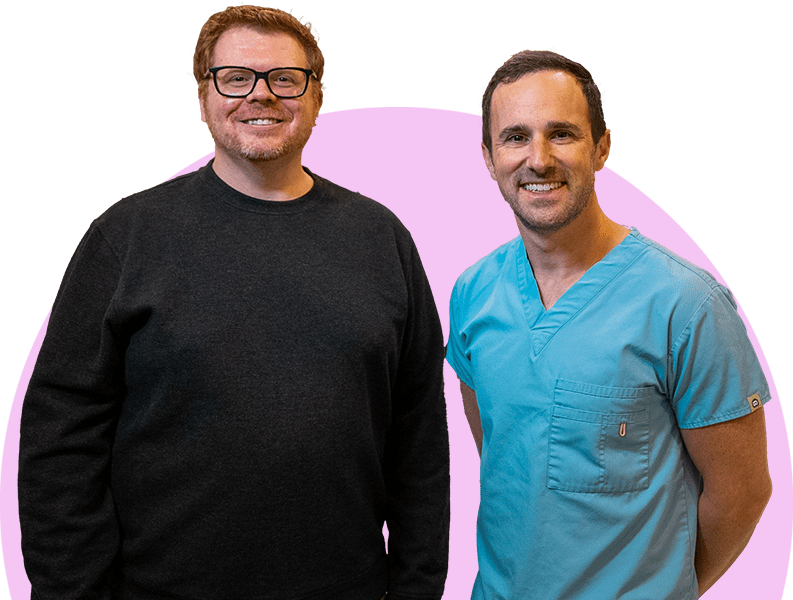
Our board-certified oral surgeons, Dr. Epstein and Dr. Kim, use detailed planning, modern biologic materials, and gentle techniques to ensure each graft is placed with accuracy and care. Treatment plans are customized to every patient, restoring bone structure in a way that supports long-term function and stability.
- Advanced Technology: 3D CBCT imaging allows for detailed evaluation of your jawbone and precise surgical planning. In complex cases, Yxoss titanium mesh systems provide structural support for bone regeneration, ensuring strong, predictable results even in areas with significant bone loss.
- Patient Comfort & Safety: A full spectrum of sedation options are available to ensure your comfort during treatment. To promote faster healing, PRF (platelet-rich fibrin) may be used to support soft tissue recovery and minimize inflammation.
- Expertise You Can Trust: Dr. Epstein and Dr. Kim have advanced training in all aspects of bone regeneration and use proven techniques to achieve durable, predictable outcomes.
A Focus on a Comfortable Recovery
Comfort and recovery are part of our surgical plan, not an afterthought. We use minimally invasive methods and offer Exparel, a long-lasting anesthetic that provides up to 72 hours of relief after surgery. This reduces the need for narcotic pain medication and helps you return to normal activities sooner.
Types of Bone Grafts We Use
Different types of bone grafts serve different purposes. Each option helps rebuild bone structure and prepare your mouth for future restorations.
| Type of Graft | Source | Source |
|---|---|---|
| Autograft | Bone from your own body | Promotes rapid healing and strong integration |
| Allograft | Donor bone material | Avoids a second surgical site |
| Xenograft | Processed bone from a biocompatible source | Excellent for restoring volume |
What to Expect
Knowing what will happen before, during, and after surgery helps ease anxiety and builds confidence in your treatment plan.
Consultation and 3D Imaging
Your visit begins with a CBCT scan and a detailed evaluation of your jawbone. We’ll discuss your options, answer questions, and create a plan tailored to your needs.
Day of Surgery
Before the procedure begins, your surgeon will review the treatment plan with you and give you time to ask any final questions. Once you’re comfortable, the grafting material is carefully placed in the targeted area. If additional support is needed, the graft may be secured with a titanium mesh or protective membrane to help it maintain shape and encourage proper bone growth during healing.
Healing and Follow-Up
After the procedure, the graft gradually integrates with your natural bone, strengthening the jaw and restoring stability for future restorative treatments. Recovery typically occurs over several months as new bone develops in the grafted area.
Our team will schedule follow-up visits and imaging to monitor your progress and ensure the graft is healing as expected. Throughout your recovery, we remain available to answer questions, provide guidance, and make sure you feel supported every step of the way.
 Trustindex verifies that the original source of the review is Google.
 Trustindex verifies that the original source of the review is Google.
  Trustindex verifies that the original source of the review is Google.
  Trustindex verifies that the original source of the review is Google.
  Trustindex verifies that the original source of the review is Google.
  Trustindex verifies that the original source of the review is Google.
  Trustindex verifies that the original source of the review is Google.
  Trustindex verifies that the original source of the review is Google.
  Trustindex verifies that the original source of the review is Google.
  Trustindex verifies that the original source of the review is Google.
  Trustindex verifies that the original source of the review is Google.
  Trustindex verifies that the original source of the review is Google.
  Trustindex verifies that the original source of the review is Google.
  Trustindex verifies that the original source of the review is Google.
  Trustindex verifies that the original source of the review is Google.
Dental Implants After Bone Grafting
Bone grafting lays the foundation for successful dental implant placement, but timing is key. In most cases, it takes three to six months for the grafted bone to fully integrate with your natural bone and become strong enough to support an implant. The exact timeline depends on the type of graft, the size of the area being restored, and how your body responds to healing.
For smaller grafts, such as socket preservation performed at the time of a tooth extraction, implants can sometimes be placed the same day. More extensive procedures, like a sinus lift or ridge augmentation, typically require a longer healing period before implant placement.
Your surgeon will evaluate your progress through imaging and determine the best time to proceed. This careful planning helps ensure that your implant is placed in strong, healthy bone for long-term success and natural-looking results.
Rich’s Patient Experience
We’re Here to Support You
We welcome referrals, second opinions, and patients who want care from experienced surgeons who combine precision with compassion.
Our practice is in network with Delta Dental, Cigna, Premera, Regence, Aetna, GEHA, and LifeWise. For other dental insurance plans, we are happy to submit claims on your behalf and help you receive the maximum reimbursement available.
We also offer convenient financing options through CareCredit, Cherry, and Proceed Finance to make treatment as accessible as possible. Our administrative team is here to make every step of the process clear, smooth, and stress free.
FAQs
Am I a good candidate for bone grafting?
You may be a good candidate if you have lost bone due to tooth extraction, gum disease, or injury. During your consultation, our surgeons will review your imaging and discuss whether grafting is needed to restore strength and support future implants.
What should I expect during recovery?
Most patients experience mild swelling or tenderness for a few days after surgery. The graft takes several months to fully integrate with the natural bone. We’ll provide detailed instructions and follow up to ensure your recovery is progressing as expected.
Are there risks associated with bone grafting?
Bone grafting is generally very safe. Complications such as infection or graft failure are rare and minimized through sterile technique, advanced planning, and proper aftercare.
How can I speed up my recovery from bone grafting?
Follow your aftercare instructions carefully, maintain good oral hygiene, and avoid smoking or strenuous activity during early healing. Stay hydrated and eat a balanced diet rich in protein and vitamins that supports bone growth.
Can bone grafting improve my overall oral health?
Rebuilding bone supports your facial structure, stabilizes neighboring teeth, and allows for successful dental implant placement, all of which contribute to long-term oral health.
When can I exercise after dental bone graft?
Light activity can usually resume within a few days, but you should avoid heavy lifting or vigorous exercise for at least one to two weeks.
Are bone grafts necessary if you want to get dentures?
In some cases, yes. Bone grafting may be needed to rebuild the ridge of the jaw before fitting dentures, ensuring a more stable and comfortable fit.
What are the healing stages of a dental bone graft?
Healing begins with clot formation and early tissue repair in the first few weeks after surgery. Over the following months, the graft material is gradually replaced with new bone through a natural process called bone remodeling. Once the area has fully integrated, the regenerated bone provides a strong, healthy foundation for dental implants or other restorations.
Who performs dental bone grafting near me?
Dental bone grafting is performed by oral and maxillofacial surgeons who specialize in surgical restoration of the jaw. At Green Lake Oral & Facial Surgery in Seattle and JAWNT Surgery in Shoreline, Dr. Epstein and Dr. Kim perform all bone grafting procedures using advanced imaging, biologic materials, and gentle techniques to ensure safe and predictable results.