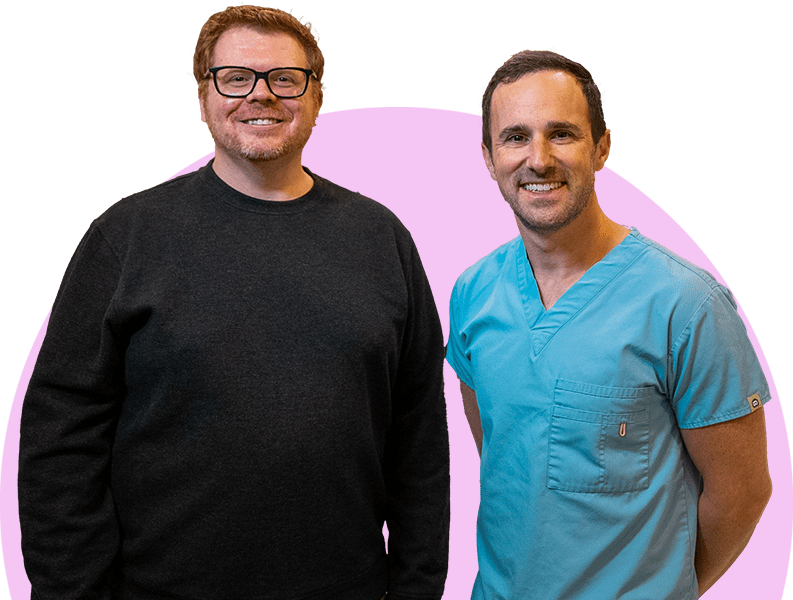
“Wisdom teeth removal is something we do every day, but for each patient and family, it is a once-in-a-lifetime experience. That matters to me. After caring for thousands of patients, we know how to make the process feel calm, safe, and supported, while executing the surgery at a very high level. I believe the best experience comes from the combination of tecnical mastery and human connection, and that is what we try to deliver for every patient.”

Why Do Wisdom Teeth Need to Be Removed?
Wisdom teeth, or third molars, are the last adult teeth to develop, usually between the ages of 16 and 25. Because they erupt late, they often do not have the space to grow in properly. For many patients, this leads to problems that make removal the healthiest and safest choice.
Common reasons include:
- Impaction: Teeth trapped under the gums or bone can cause pain, swelling, infection or damage to neighboring teeth.
- Infection risk: Partially erupted wisdom teeth often create pockets where bacteria collect, leading to repeated infections.
- Damage to other teeth: Pressure from wisdom teeth can shift your bite or erode nearby teeth.
- Cyst or tumor formation: In rare cases, impacted teeth can cause cysts that damage bone or roots.
- Preventive care: Removing wisdom teeth early, often in the late teens or early twenties, can prevent future problems when healing is easier.
Understanding Types of Wisdom Tooth Impaction
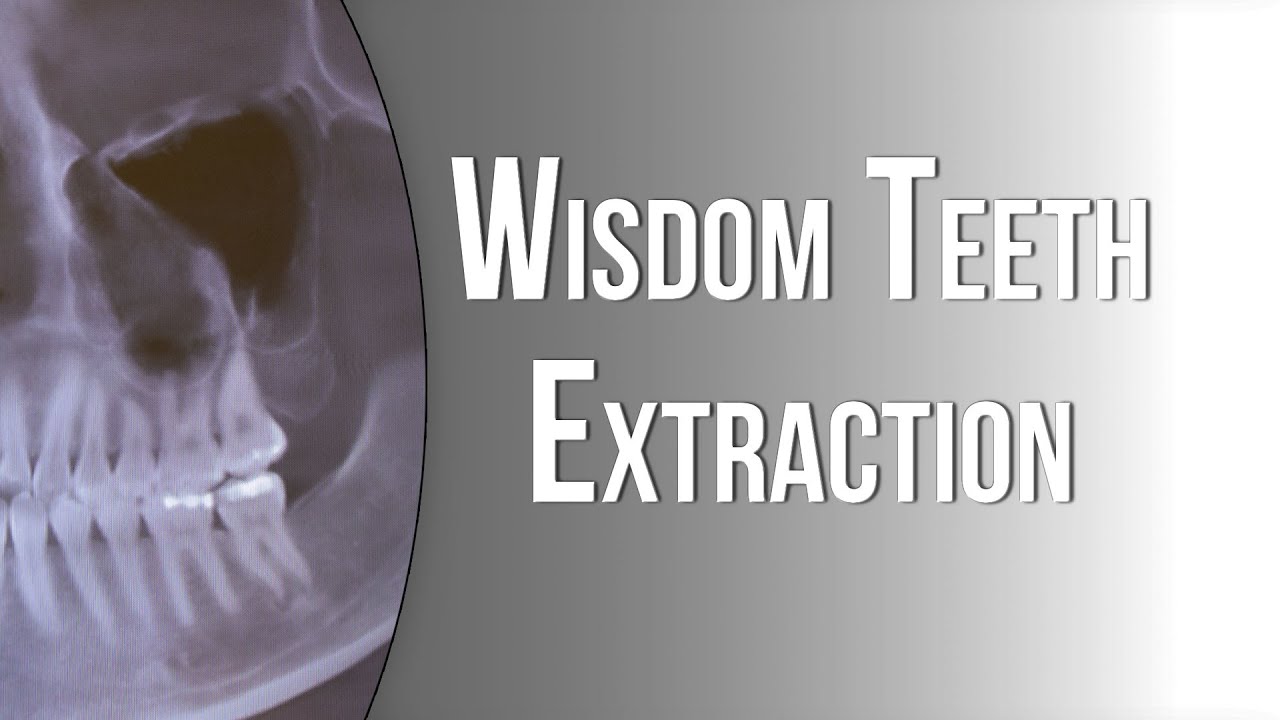
Not all wisdom teeth develop in the same way. Using 3D imaging, our surgeons carefully evaluate the position of each tooth to determine the safest, most effective treatment.
- Vertical Impaction: The tooth is upright but stuck beneath the gums or bone.
- Mesial Impaction: The tooth angles forward, pressing against the tooth in front of it.
- Distal Impaction: The tooth angles backward toward the jaw.
- Horizontal Impaction: The tooth lies flat and pushes directly into neighboring roots.
Each type of impaction comes with different risks, which is why a personalized evaluation is so important.
Who Should Wait and Who Should Not
Some people keep their wisdom teeth without problems. If the teeth are fully erupted, healthy, and positioned correctly, they may not need to be removed, but this is rare and occurs in only about 5% of people.
However, removal is often strongly recommended when:
- The teeth are impacted or partially erupted.
- You are experiencing pain, swelling, or recurrent infections.
- X-rays show damage to adjacent teeth or bone.
- You are younger, since early removal typically means easier recovery, fewer complications and safer, more predictable outcomes.
Our surgeons will give you clear, honest recommendations. If your wisdom teeth are not causing problems, we will never pressure you into surgery.
Addressing a Common Concern: Is It Really Necessary?
One of the most common worries we hear is whether wisdom teeth removal is truly needed or if it is sometimes recommended routinely. At our practice, you will never face unnecessary surgery.
We believe in transparency. Using advanced imaging, we show you exactly what is happening in your mouth and explain your options clearly. Our advice is based solely on what will keep your mouth healthy in the long run.
We treat patients the same way we would treat family: with honesty, respect, and your best interests at the center of every decision. Sometimes retention is the best option.
Our Approach to Wisdom Teeth Removal
Our board-certified oral surgeons, Dr. Epstein and Dr. Kim, with precision, advanced technology, and a focus on patient comfort and safety. Removing third molars is one of the most common procedures we perform, and both offices are equipped to make the experience efficient, supportive, and predictable from start to finish.
- Advanced Technology: 3D CBCT imaging provides a clear view of tooth position, nerves, and bone structure, while Piezosurgery allows for precise and gentle bone removal in complex cases.
- Navigated Surgery: We are the only practice in Washington to offer dynamic navigation for safe removal of deeply implicated wisdom teeth, no other provider offers this.
- Patient Comfort & Safety: A complete range of sedation options, including nitrous oxide, oral sedation, IV sedation, and general anesthesia. We also use newer, safer sedation medications not commonly found in other offices.
- Long Lasting Relief: Exparel, a modern anesthetic, provides up to 72 hours of pain relief and reduces the need for narcotics.
- Faster Healing: PRF (platelet rich fibrin) is offered to support natural healing, reduce swelling, and decrease complications.
- Specialized Expertise:Our surgeons are highly skilled in advanced extraction techniques such as coronectomies, which provide a safer approach for teeth close to nerves.
- Compassionate Care: Every patient receives a same day follow up call and attentive aftercare. We treat you as a person, not just a procedure.
A Focus on a Comfortable Recovery
Your comfort after surgery matters as much as your experience during it. By using Exparel, PRF, and minimally invasive surgical techniques, we make recovery smoother and more predictable. Most patients return to their normal activities within three to five days.
What to Expect
Knowing what will happen before, during, and after surgery can take away much of the stress. Here is how the process typically works:
Consultation and Imaging
Your first visit is focused on understanding your needs and giving you clear information. We will take a 3D CBCT scan to see exactly how your wisdom teeth are positioned in relation to your other teeth, bone, and nerves. This helps us explain whether removal is recommended now or if it may be safe to wait. You will also review sedation options so you know what to expect on surgery day.
Day of Surgery
When you arrive, our team makes sure you feel comfortable and cared for before any treatment begins. Once your sedation takes effect, your surgeon will gently make an opening in the gum and, if necessary, remove a small amount of bone to access the tooth. Piezosurgery tools may be used for delicate bone work. Impacted teeth are carefully sectioned and removed in pieces if needed, minimizing stress on the surrounding tissue.
Recovery and Follow Up
Right after surgery, PRF can be placed in the extraction site to support healing and reduce swelling. Exparel may also be used to provide long-lasting pain relief. Most patients feel ready to return to school or work within three to five days. You will receive detailed home care instructions, and our team calls every patient the same day to check in. We remain available for questions throughout your recovery.


We’re Here to Support You
We welcome referrals, second opinions, and patients who want implant treatment from experienced surgeons who combine precision with compassion.
Our practice is in network with Delta Dental, Cigna, Premera, Regence, Aetna, GEHA, and LifeWise. For other dental insurance plans, we are happy to file claims on your behalf to help you receive the maximum reimbursement available.
We also offer convenient financing options through CareCredit, Cherry, and Proceed Finance. From consultation through recovery, our administrative team is here to make every step clear and stress-free.
FAQs
How soon can I eat after wisdom teeth extraction?
You can usually eat within a few hours after your surgery once the numbness wears off. We recommend starting with soft foods such as yogurt, smoothies (no straw), mashed potatoes, or soup. Avoid chewing near the surgical sites until you feel comfortable.
What can I eat after wisdom teeth removal?
Stick to soft, easy-to-chew foods for the first several days. Good options include yogurt, scrambled eggs, oatmeal, smoothies, and pasta. Avoid crunchy, hard, spicy, or sticky foods that could irritate the healing area.
Can I brush my teeth after wisdom teeth extraction?
Yes, but gently. You should avoid brushing directly over the surgical sites for the first few days, but you can brush and floss the other areas of your mouth as usual. Keeping your mouth clean is important for proper healing.
Is wisdom teeth extraction painful?
Most patients are surprised by how comfortable the process is. With sedation and modern anesthetics, you should not feel pain during surgery. We also use Exparel, which can keep the area numb for up to 72 hours after surgery, greatly reducing discomfort during recovery.
Can dentists extract wisdom teeth?
General dentists can perform some wisdom tooth extractions, but oral surgeons are the best choice for this procedure. Oral and maxillofacial surgeons like Dr. Epstein and Dr. Kim have years of advanced surgical training, hospital experience, and access to a full range of sedation options. This makes them the safest and most predictable choice for both routine and complex extractions.
Is there an oral surgeon near me that performs wisdom tooth removal?
Green Lake Oral & Facial Surgery in Seattle and JAWNT Oral Surgery in Shoreline both offer expert wisdom teeth removal. No matter which office you visit, you’ll receive the same advanced care and supportive experience. We believe we offer the best experience that exists in Washington State.