Reviewed by Dr. Epstein
|
Reading time: four minutes
Dental implants can replace a single tooth, several teeth or a full arch. There is no set age limit for dental implants, and many people in their 70s, 80s and beyond receive them successfully.
We offer dental implants at our offices in Seattle and Shoreline
Table of Contents
What Matters More Than Age for Dental Implants?
You need to be healthy enough for oral surgery and have enough bone to support the implants. An examination and imaging can help determine whether they are a good fit and which approach makes the most sense for you.
During an evaluation, we will look at:
- The amount and quality of bone in your jaw
- The condition of your gums and remaining teeth
- Health conditions that could affect healing
- Medications, including blood thinners and osteoporosis medications
- Tobacco or nicotine use
- Whether you can keep the implants clean
- Your priorities for comfort, appearance and chewing
Can You Get Dental Implants With Bone Loss?
If you have been missing teeth for some time, you may have lost some of the bone that once supported them. That does not necessarily mean you cannot get dental implants. When bone is limited, careful planning can help determine whether implants are possible and whether bone grafting is needed first.
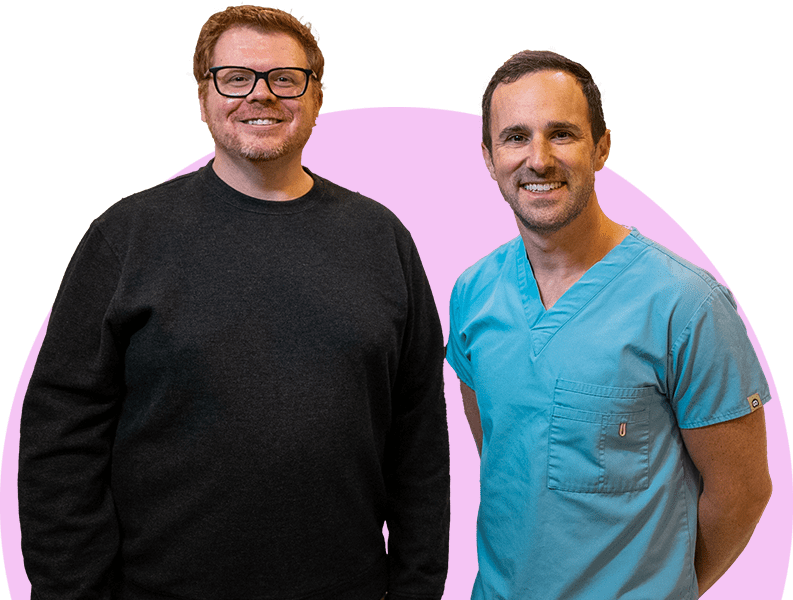
Dr. Matthew Epstein takes a personalized approach to implant treatment. Before recommending a procedure, he considers your oral health, medical history, bone structure and long-term goals. His focus is on creating a treatment plan that is precise, practical and appropriate for your needs.
Some patients have enough bone for implants without any additional procedure. Others may need a bone graft, ridge augmentation or sinus lift first.
What Are the Benefits of Dental Implants for Older Adults?
Dental implants can offer several benefits for older adults who are missing one or more teeth. Depending on your needs and the type of restoration, implants may:
- Make eating more comfortable and efficient
- Improve speech by providing a more stable replacement for missing teeth
- Reduce the slipping and movement associated with traditional dentures
- Support a more natural-looking smile
- Help preserve the jawbone around the implants
Implants are not maintenance-free. Daily cleaning and regular dental visits remain important for protecting the gums, surrounding teeth and supporting bone.
Dental Implant Options for Seniors
Your options depend on how many teeth are missing and whether any remaining teeth can be saved. Treatment may include:
- A single dental implant: Replaces one missing tooth with an implant placed in the jawbone and a dental crown attached above it.
- An implant-supported bridge: Replaces several missing teeth with support from fewer implants.
- An implant-retained denture: Gives a removable denture greater stability.
- A fixed full-arch restoration: Replaces all the teeth in an upper or lower arch with a prosthesis attached to several implants.
Dr. Epstein uses detailed 3D imaging and digital planning to determine the position and angle of each implant before surgery. Green Lake Oral & Facial Surgery is recognized as an X-Nav Center of Excellence and has performed more navigated implant and extraction cases than any other practice in Washington. X-Nav provides real-time 3D guidance during surgery, allowing Dr. Epstein to place implants with a high level of precision while helping minimize disruption to the surrounding tissues.
Find Out Whether Dental Implants Are Right for You
If you are considering dental implants, a consultation is the best way to understand your options, regardless of your age. We provide personalized implant evaluations and treatment planning. Our team can assess your health and jawbone, explain the available options and help you make an informed decision without pressure.
To book an appointment at Green Lake Oral & Facial Surgery in Seattle, WA, call (206) 641-7212. To book at JAWNT Oral Surgery in Shoreline, WA, call (206) 848-5788.
FAQ
Is dental implant surgery harder when you are older?
Age alone does not necessarily make implant surgery or recovery more difficult. However, some older adults have health conditions, mobility concerns or medications that require added planning. Your oral surgeon can adjust the surgical plan, sedation approach and follow-up care to your needs.
How long can dental implants last in older adults?
With good home care, healthy gums and regular professional maintenance, implants can function for many years. Their lifespan also depends on factors such as smoking, overall health, bite forces and the amount of bone supporting them.
Are full-mouth dental implants an option for seniors?
Full-mouth dental implants may be an option for seniors who have lost most or all of their teeth or whose remaining teeth cannot be predictably restored. Treatment may involve fixed full-arch teeth, an implant-retained denture or a combination.
Can you get dental implants with diabetes?
Yes, many people with diabetes can receive dental implants. Because diabetes can affect healing and the body’s response to infection, we will consider how well your blood sugar is controlled along with your gum health, bone support, medications, and overall health when planning treatment.