Reviewed by Dr. Epstein
|
Reading time: four minutes
A healing dental bone graft should gradually become less swollen, tender, and uncomfortable as the surgical site closes. While the gums may look and feel better within a few weeks, the graft continues integrating with your jawbone for several months. Knowing what is normal at each stage can help you recognize whether your recovery is progressing as expected.
We offer bone grafting at our offices in Seattle and Shoreline
Table of Contents
Dental Bone Graft Healing Stages
Dental bone graft healing happens in stages, beginning with the initial recovery of the gums and continuing as new bone develops and the graft integrates with your jaw. Here’s what you can generally expect during each stage.
The First Few Days
It’s normal to have mild bleeding, swelling, bruising, and soreness. Swelling often peaks around day 2–3 before improving.
A protective blood clot forms, and early healing tissue begins to develop. It can be normal to also notice small, sand-like particles in your mouth. Avoid touching the area with your tongue or fingers.
The First One to Two Weeks
Swelling and tenderness should gradually decrease, and the incision begins to close. Stitches may dissolve or be removed at follow-up.
Mild sensitivity can continue, but symptoms should not worsen. There should be no increasing pain, fever, pus, or persistent bad taste.
The Following Months
By this stage, your gums may feel completely healed, but the bone graft is still integrating with your jaw. Over the next several months, your body gradually forms new bone in the grafted area, creating a stronger and more stable foundation.
If the graft was performed in preparation for a dental implant, your oral surgeon will monitor the area as it heals and determine when there is enough healthy bone to move forward with implant placement.
Signs Your Bone Graft May Not Be Healing Normally
Pain, swelling, and tenderness are expected early in recovery and should gradually improve as the area heals.
Contact your oral surgeon if you notice:
- Pain or swelling that worsens after a few days
- Heavy or ongoing bleeding
- Fever or chills
- Pus, bad taste, or persistent bad breath
- The incision opening
- A large amount of graft material coming out
- New or worsening numbness
These symptoms may indicate that the area is not healing as expected and should be evaluated by your oral surgeon.
Protect Your Bone Graft While It Heals
Good care helps support healing and reduce complications.
During recovery:
- Keep the area clean, but avoid brushing directly on the graft site
- Use medications and rinses as directed
- Eat soft foods and chew on the opposite side
- Stay hydrated and focus on protein-rich, nutritious foods
- Avoid smoking, vaping, and tobacco use
- Skip strenuous exercise until cleared by your surgeon
- Don’t repeatedly pull your lip or cheek to check the site
- Keep all follow-up appointments
We will provide detailed post-operative instructions based on your specific procedure and review them with you before you leave. Our team also follows up after surgery and remains available throughout your recovery if you have questions or concerns about how your bone graft is healing.
Questions About Your Bone Graft Recovery?
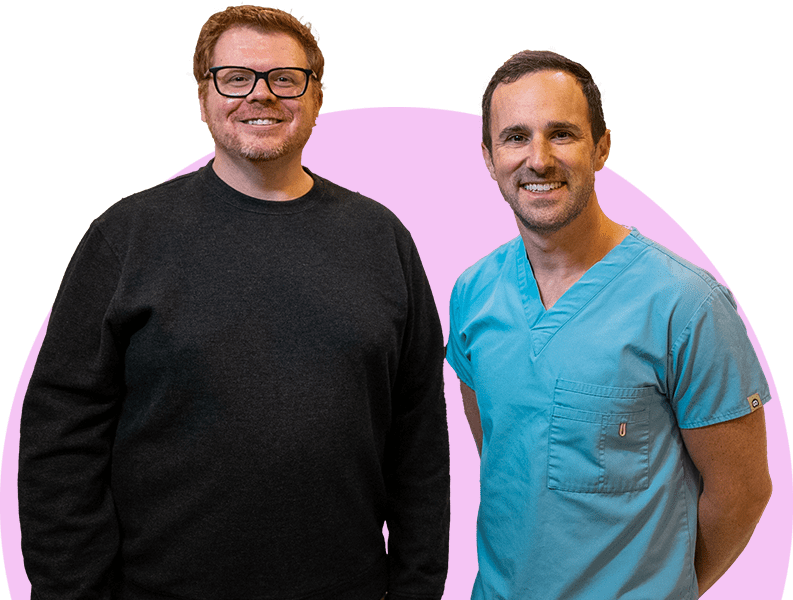
If something feels off or symptoms are getting worse, don’t wait to reach out. Early evaluation is always better than delayed care. If you are a patient of Green Lake Oral & Facial Surgery or JAWNT Oral Surgery, contact our team for guidance or a follow-up visit. Dr. Matthew Epstein monitors healing with exams and imaging when needed to ensure proper bone development.
To book an appointment at Green Lake Oral & Facial Surgery in Seattle, WA, call (206) 641-7212. To book at JAWNT Oral Surgery in Shoreline, WA, call (206) 848-5788.
FAQ
How long do dental bone grafts take to heal?
Gum healing may take a few weeks, but full bone integration usually takes about three to six months. Larger grafts may take longer.
Can you speed up dental bone graft healing?
You can’t safely rush bone growth. The best support comes from following aftercare instructions, avoiding tobacco, eating well, protecting the site, and attending follow-ups.
Is it normal for small pieces of bone graft to come out?
Yes, small sand-like particles can sometimes appear early in healing. Contact your surgeon if a large amount comes out, the incision opens, or symptoms worsen.