Day of Surgery
FIRST HOUR: Bite down gently, but firmly on the gauze piece if instructed. The gauze may be gently removed after 30 minutes to 1 hour. If active bleeding persists, replace gauze every hour, biting with firm pressure until bleeding stops. There typically is not much bleeding after surgery.
EXERCISE CARE: Do not disturb the surgical area today. Do not rinse vigorously or probe the area with any objects. You may brush your teeth gently. Please do not smoke for a minimum of 72 hours, ideally refrain from smoking for the duration of the healing course, as this can delay healing and increases your chances of implant failure.
SWELLING: Swelling is typically uncommon for most implant procedures. There will be some initial tenderness around the gum tissue where implant was placed. Persistent or excessive swelling would be considered abnormal and should be brought to attention if this occurs. If additional procedures, like a tooth extraction or bone graft, were also performed you may experience additional swelling during the first week post operatively.
PAIN: Implant pain is significantly less than when the tooth was removed. Typically, pain is well managed with low dose pain medication; either Advil or Tylenol 3, if prescribed. It is suggested you take the first pain pill before the anesthetic has worn off, to better manage you discomfort.
NAUSEA: Nausea is not uncommon after surgery. However, sometimes pain medications are the cause. Nausea can be reduced by eating prior to taking pain medication. If you were prescribed antibiotics, it is recommended to take a profibrotic and eat plenty of yogurt or use a probiotic to reduce intestinal upset. Do not hesitate to call us if you do not feel symptoms are getting better.
DIET: There are minimal dietary restrictions post operatively, it is recommended to avoid hot foods as well while you are still numb. Surgical sites will feel tender the first few days following the procedure, use caution when eating any crunchy or sharp foods near the surgical area. If you have had bone grafting, please avoid straw use for the first week post operatively.
Instructions for the Second and Third Days
MOUTH RINSES: Keeping your mouth clean after surgery is essential. Starting the day after surgery, use the prescribed oral rinse after each meal unless otherwise directed. If you are unable to tolerate the prescribed mouth rinse, you may rinse with warm salt water as an alternative. Please avoid using any over the counter mouth rinses, such as Listerine, while the implant site healing.
BRUSHING: Begin your normal oral hygiene routine, carefully avoiding the surgical site, as soon as possible after surgery unless otherwise directed. Soreness and swelling may not permit vigorous brushing, but please make every effort to clean your teeth within the bounds of comfort.
BONE GRAFTING: If you have had additional bone grafting, you may notice some of the bone grafting material exfoliate from the surgical site. The bone graft material has the appearance of small grains of sand, and the exfoliation is to be expected along the healing course although infrequently. The bone graft is typically covered with a membrane or barrier. Some membranes require removal, but most membranes will resorb on their own. Dr. Epstein or an assistant will notify you if you need to make an additional appointment for a membrane removal, which is a painless process.
FOLLOW UP APPOINTMENT: Generally, the first follow-up following your procedure is by phone, 1 week after the implant is placed but may also be an in-office visit, you will be notified. The next scheduled appointment is in the clinic where we are assessing the bone quality around the implant and determining stability for a final crown. It is typically scheduled 3-6 months after the implant has been placed. For some patients, the final check appointment may require numbing anesthetic to expose the implant site by removing a small area of tissue which gives your dentist access to fabricate an implant crown. This quick procedure does not require the need for downtime or the need for pain medication use. We may also digitally scan your implant at this appointment if requested by your dentist.
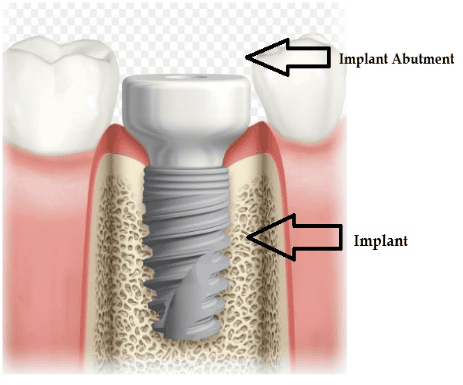
The image to the left is a general example of your implant. There are two components to your implant: The implant body, which is covered by bone, and the healing abutment cap, which projects through the gum tissue. Occasionally the healing abutment may come loose in your mouth during routine oral hygiene or eating. This is nothing to worry about. Please call our office and we will schedule a 15-minute appointment to have you in to have the abutment re-seated in the next few days.
PLEASE NOTE: Due to federal law, narcotic pain medications cannot be prescribed over the phone.
Have Questions?
If you have other questions or concerns please reach out to our team. If over the weekend please call 206-641-7212 and follow the prompts.