Reviewed by Dr. Epstein
|
Reading time: three minutes
Missing teeth do more than affect the appearance of your smile. They can also make it difficult to chew comfortably and may lead to gradual bone loss in the jaw. Dental implants are designed to restore comfortable chewing while supporting long-term jawbone health.
We offer dental implants at our offices in Seattle and Shoreline
Table of Contents
How Do Dental Implants Improve Chewing Ability?
Dental implants restore much of the natural biting force of a healthy tooth. Unlike removable dentures, they are anchored directly into the jawbone. The implant post replaces the tooth root, and a custom crown restores the visible tooth. Once integrated with the bone, the implant provides a stable foundation for biting and chewing.
Many people notice several improvements after implant treatment, including:
- Greater stability and bite strength compared to dentures
- The ability to eat a wider variety of foods
- Improved stability when speaking and eating
- No slipping or shifting that can occur with dentures
- Long lasting durability with proper care
How Missing Teeth Affect the Jawbone
Natural tooth roots stimulate the jawbone during chewing and signal the body to maintain bone strength and density. When a tooth is lost, that stimulation stops. Over time, the bone in that area can shrink. This process is called bone resorption and is a common result of tooth loss.
Replacing missing teeth will help to preserve the health and shape of the jawbone.
How Dental Implants Help Preserve the Jawbone
Dental implants support jawbone health by replacing the missing tooth root. An implant post is placed in the jawbone where the natural tooth once sat. Over time, the bone bonds with the implant through a process called osseointegration, allowing it to function like a natural root.
Once integrated, the implant transfers chewing forces into the jawbone. This stimulation helps maintain bone density and may slow or prevent bone loss after tooth loss.
Dental Implant Care at Green Lake Oral and Facial Surgery
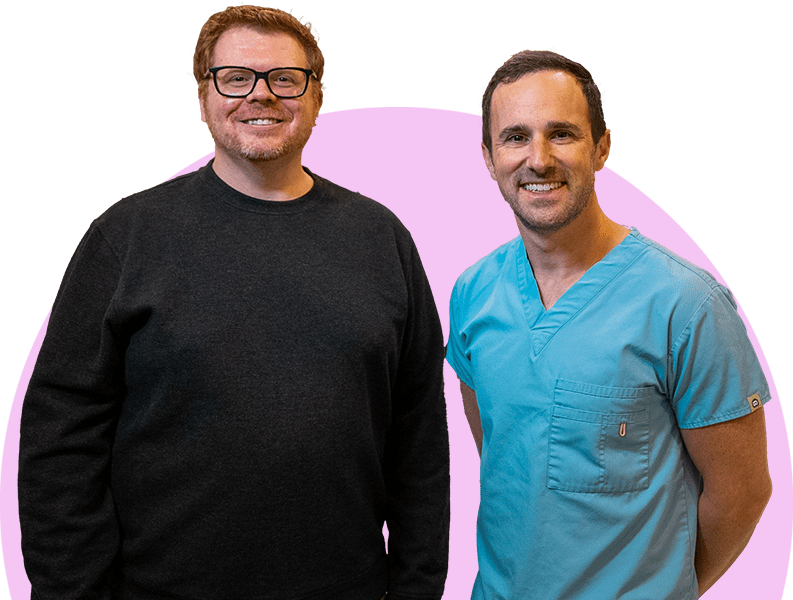
Dr. Matthew Epstein and Dr. Tommy Kim approach dental implant treatment with careful planning and precision. They use advanced imaging and surgical planning technology to evaluate bone quality and overall anatomy before implant placement. This allows them to determine the most appropriate treatment approach for each patient.
Their goal is not only to replace missing teeth, but also to support long term jawbone health and restore comfortable chewing function.
Restore Function and Support Long Term Oral Health
If you are missing one or more teeth, a consultation can help determine whether dental implants are the right solution for your needs.
To book an appointment at Green Lake Oral & Facial Surgery in Seattle, WA, call (206) 641-7212. To book at JAWNT Oral Surgery in Shoreline, WA,, call (206) 848-5788.
FAQs
Can you chew steak with dental implants?
After the implant has fully integrated with the jawbone and the final crown is placed, most patients can chew foods like steak normally. Dental implants are designed to restore strong biting and chewing ability similar to natural teeth.
Why does my dental implant hurt when I chew?
Chewing discomfort may result from bite misalignment, implant inflammation, or tissue pressure. If you experience persistent pain when chewing, it is important to have your dental implant evaluated.
Can you chew gum with dental implants?
In most cases, patients can chew gum after dental implant treatment once healing is complete. However, excessively sticky gum or frequent chewing may place additional stress on dental restorations. Your dentist can recommend what is best for your specific situation.
How long does it take before you can chew normally after dental implants?
Chewing ability improves gradually as the implant heals and integrates with the jawbone. Many patients can eat soft foods within a few days, but full chewing strength typically returns after the implant has fully integrated, which may take several weeks to a few months.